Honey, We Need to Talk
Updated: Jul 31

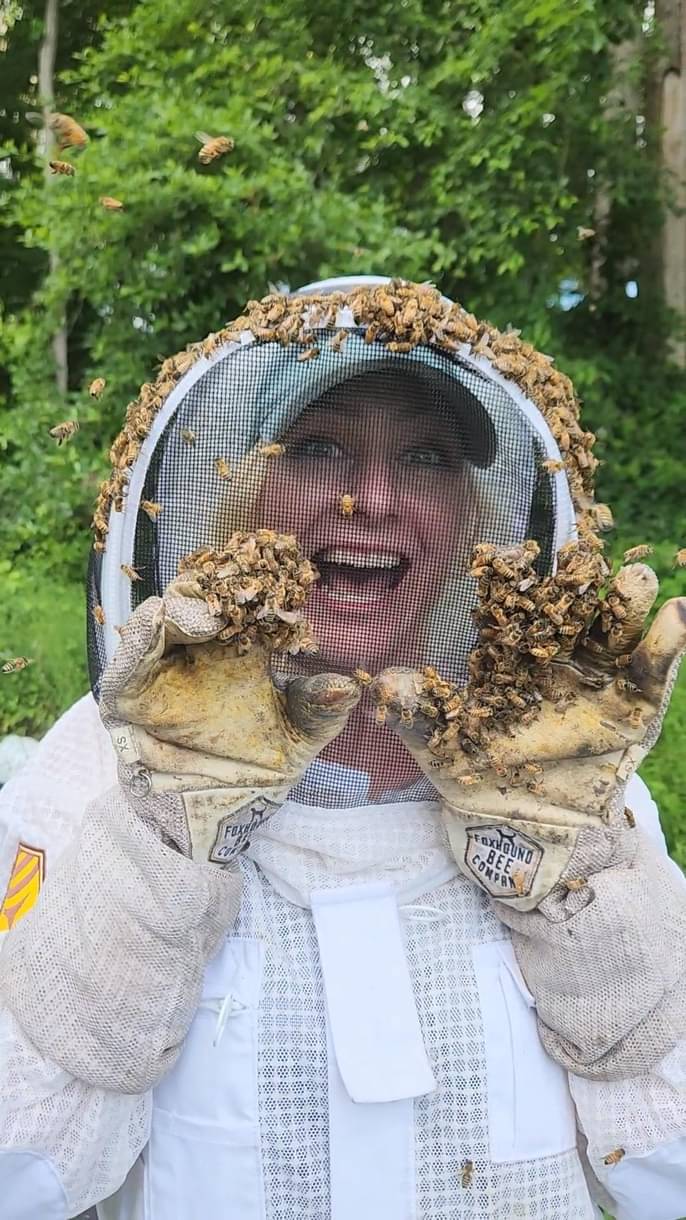
When people ask me what I do, I tell them I'm a beekeeper. It’s a simple title for a job that is often anything but simple. Most people immediately picture a jar of honey, a bee suit, and maybe someone running away from a cloud of angry bees—but the reality is far more fascinating and rewarding. Beekeeping isn't simply about collecting honey; it's about embracing a lifetime of learning. Some of the greatest lessons in beekeeping come through trial and error. Every mistake becomes another opportunity to better understand honey bees, the challenges they face, and the indispensable role they play in agriculture. It means becoming a steward who is equal parts scientist, farmer, educator, and problem solver—and every now and then, therapist to thousands of very determined, and often opinionated, coworkers.
Inside every hive is an extraordinary world. A healthy colony can contain 40,000 to 60,000 honey bees, each carrying out a job that contributes to the success of the whole. Every time I lift the lid, I'm reminded that I'm witnessing one of nature's greatest examples of teamwork. No single bee directs the colony, yet together they accomplish incredible things. Watching thousands of individuals work together with such precision never gets old, and even after years of beekeeping, they continue to teach me something new. I've learned that my role as a beekeeper extends far beyond caring for bees—it is about helping people see them differently, replacing fear with curiosity, and sharing why these extraordinary pollinators matter to our farms, our food system, and our communities.

A fact that surprises many people is that honey bees aren't actually native to North America. European settlers brought the western honey bee (Apis mellifera) to the Americas in the early 1600s because they relied on bees for honey, beeswax, and crop pollination. Indigenous peoples reportedly nicknamed them the "white man's fly" because the bees often arrived ahead of expanding settlements. Today, honey bees are considered managed livestock by the USDA, much like cattle or chickens. Their health depends on dedicated beekeepers who care for them throughout the year.
Many people think beekeeping is simply putting bees in a box and collecting honey at the end of the season. In reality, it's a year-round commitment. Every hive requires consistent attention—monitoring for pests and diseases, evaluating queen health, ensuring colonies have enough food, managing swarms, and helping them adapt to Maryland's ever-changing weather. There are days that are incredibly rewarding and days that are downright humbling, but I think that's what makes it so great.

Beekeeping exists on many different scales, each serving a unique purpose. Backyard beekeepers may care for just a handful of colonies, often as a hobby, to pollinate their garden, or to provide honey for family and friends. Sideliner beekeepers, like myself, manage larger numbers of hives while balancing honey production, education, pollination services, and other agricultural ventures. Commercial beekeepers, on the other hand, may manage thousands of colonies, transporting them across the country to pollinate crops like almonds, blueberries, apples, and countless other fruits and vegetables. For many, pollination contracts—not honey production—are the foundation of their business. While the scale of the operation differs, every beekeeper shares the same goal—maintaining healthy and productive colonies.
While honey is certainly the sweetest reward, it's only one chapter in the story. The true value of honey bees lies in the work they do in the farmers fields. Honey bees became one of agriculture's most valuable partners because they can be managed in large numbers and moved wherever they're needed. Imagine 300 acres of a single crop planted such as pumpkins, cantaloupe, or watermelons. All were planted at the same time and all will bloom at the same time. Those flowers have only a brief window to be pollinated if growers hope for a successful harvest. While native pollinators contribute wherever they can, there simply aren't enough of them to pollinate crops on this type of agricultural scale. That's where managed honey bee colonies come in. Hives are strategically placed in fields and orchards, where tens of thousands of worker bees from each colony visit millions of blossoms in just a few weeks. It's a remarkable partnership between farmers and beekeepers that helps stock our grocery stores, support local agriculture, and quite literally keeps our food system growing. As someone who works closely with both bees and farmers, I see firsthand just how connected they truly are.

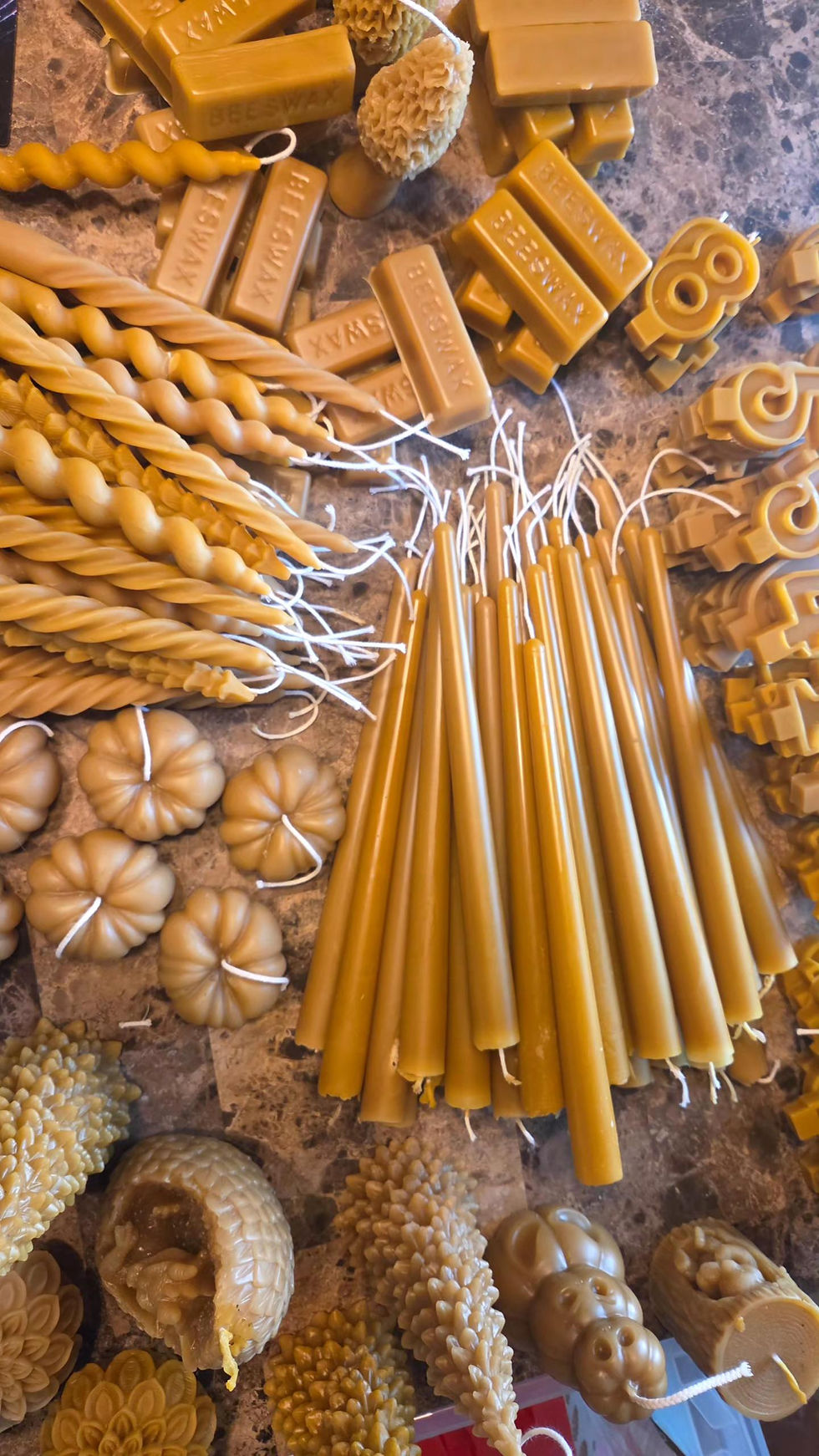
One of the best ways to support local is by supporting your local beekeeper. Every jar of local honey tells the story of a season spent caring for colonies through spring build-up, summer nectar flows, fall preparations, and winter survival. Long before the honey reaches your table, there's a beekeeper investing countless hours into keeping those colonies healthy and productive. When you buy local honey, you're supporting far more than a product—you're supporting the people who care for the bees that help feed our communities.

People often ask what makes local honey different from the bottles lining grocery store shelves. The answer is simple: every jar tells the story of where it came from. The flavor, color, and aroma reflect the flowers blooming right here on the Eastern Shore. Unlike many commercial honeys that are blended from multiple regions or even multiple countries, local honey captures a true taste of our community and changes naturally with the seasons. No two harvests are ever exactly alike. Each jar captures a unique moment in time, preserving the flavors and aromas of a particular season, the flowers in bloom, and the landscape that surrounded the hive. That's what makes local honey so special.
When I founded BayBees Honey, my goal was never just to sell honey. I wanted to create opportunities for people to experience beekeeping for themselves. Through our educational apiary, guided hive tours, beginner classes, homeschool programs, and hands-on agritourism experiences, I've watched countless people overcome their fear of bees and leave with a genuine appreciation for their importance. There's something incredibly powerful about putting on a bee suit, opening a hive for the first time, and realizing these insects aren't something to fear—they're something to protect.

Education has always been at the heart of everything I do, which is why serving as President of the Lower Eastern Shore Beekeepers Association and as Wicomico County Rep for the Maryland State Beekeepers Association means so much to me. These associations are dedicated to helping both new and experienced beekeepers succeed through educational programs, mentorship opportunities, guest speakers, community outreach, and public events. Whether someone is curious about keeping their very first hive or has managed bees for decades, we believe there's always something new to learn and someone willing to help.
One phrase I hear often is, "Save the bees," and while the intention is wonderful, it's important to understand which bees we're talking about. Honey bees are managed agricultural livestock. Every beekeeper battles parasites like the Varroa mite, diseases, nutritional stress, pesticides, and unpredictable weather. Without active management, many honey bee colonies would not survive. But thanks to beekeepers who continually manage, split, and raise colonies, honey bees are NOT endangered, not even on the list.
Many of our native pollinators, however, tell a very different story. North America is home to more than 4,000 species of native bees, including bumble bees, mason bees, mining bees, leafcutter bees, and sweat bees. Several native bumble bee species have experienced significant population declines and are now listed as threatened or endangered due to habitat loss (because of both agricultural landscapes and urbanization), disease, invasive species, and of course from pesticides, herbicides and fungicides. Unlike honey bees, native bees don't have a beekeeper caring for them.

That's why I encourage people to think differently about phrases like "Save the Bees" and "rewilding." Rewilding isn't about honey bees—it's about restoring native habitats. Planting native flowers, preserving meadows, reducing unnecessary mowing, and protecting natural nesting sites helps the thousands of native pollinator species that evolved here long before honey bees arrived. Supporting your local beekeeper and supporting native pollinator conservation are not competing ideas—they go hand in hand. One helps sustain agriculture and our food supply, while the other helps preserve the biodiversity that keeps our ecosystems healthy.
One thing I always encourage people to think about is the purpose behind their conservation efforts. If you've spent the time researching native plants, creating pollinator habitat, and restoring land (rewilding) specifically for native bees and other wildlife, then consider whether adding managed honey bee colonies is really the right fit for that space. Honey bees are incredible livestock and essential agricultural pollinators, but they don't belong everywhere. Just because a piece of land can support honey bees doesn't always mean it should. Thoughtful hive placement matters, just as thoughtful habitat restoration does.
The conversation shouldn't be about choosing honey bees or native pollinators. We need both. As beekeepers, conservationists, farmers, and gardeners, we have the opportunity to make informed decisions that support agriculture while also protecting the incredible diversity of pollinators that have always called North America home. Good stewardship isn't about picking sides—it's about understanding the role each species plays and managing our landscapes accordingly.
If there's one thing I hope people take away, it's this: every person can make a difference. Buy local honey, support your local beekeepers and farmers, plant native flowers for our wild pollinators, or simply take a few moments to watch the bees working in your own backyard. Small actions may seem insignificant, but together they have a tremendous impact—strengthening local agriculture, supporting managed honey bees, and protecting the thousands of native pollinator species that keep our ecosystems thriving.
National Honey Bee Day is more than a celebration of honey—it's a celebration of the people and pollinators that help sustain our food supply every day. It's an opportunity to recognize the farmers who rely on pollination, the beekeepers who dedicate countless hours to caring for their colonies, and the communities that choose to support local agriculture.

For me, beekeeping has never been just a hobby or a business—it's a passion, a way of life, and a privilege. Every time I open a hive, teach a new beekeeper, or welcome someone to the apiary, I'm reminded that caring for pollinators is really about caring for our communities, our farms, and our future. I'm grateful every day to share that passion through BayBees Honey and alongside the incredible members of the Lower Eastern Shore Beekeepers Association. As we celebrate National Honey Bee Day, I hope you'll join us in supporting the local beekeepers who work year-round to care for these remarkable agricultural pollinators while also championing the conservation of the native bees.
At the end of the day, the best way to support bees is to learn about them. Whether you are a beekeeper, a gardener, a farmer, or simply someone who enjoys a spoonful of local honey, curiosity is where conservation begins. As I always like to say, "Keep Bees. Know Things." Because the more we understand the connections in the world around us, the better we can care for it.
Learn More about BayBees Honey:
Learn more about the Lower Eastern Shore Beekeepers Association:


